
Find the Source of Water Loss
Pool Leak Detection and Repair Services
Noticing unexplained water loss? Let's investigate what may be happening. Get a Free Estimate
Find the Source of Water Loss
Noticing unexplained water loss? Let's investigate what may be happening. Get a Free Estimate
A swimming pool naturally loses some water through evaporation, especially during hot, dry weather. However, a pool that repeatedly needs additional water may have a leak. Identifying the difference between ordinary evaporation and actual water loss is important because unnecessary water replacement can hide a developing problem.
Cedar City Pool Builders helps homeowners understand possible pool leaks and the components that may be responsible. Problems can involve plumbing, fittings, lights, skimmers, return connections, equipment, or the pool shell itself. A useful repair begins with identifying the likely source rather than assuming every leak originates in the fiberglass.
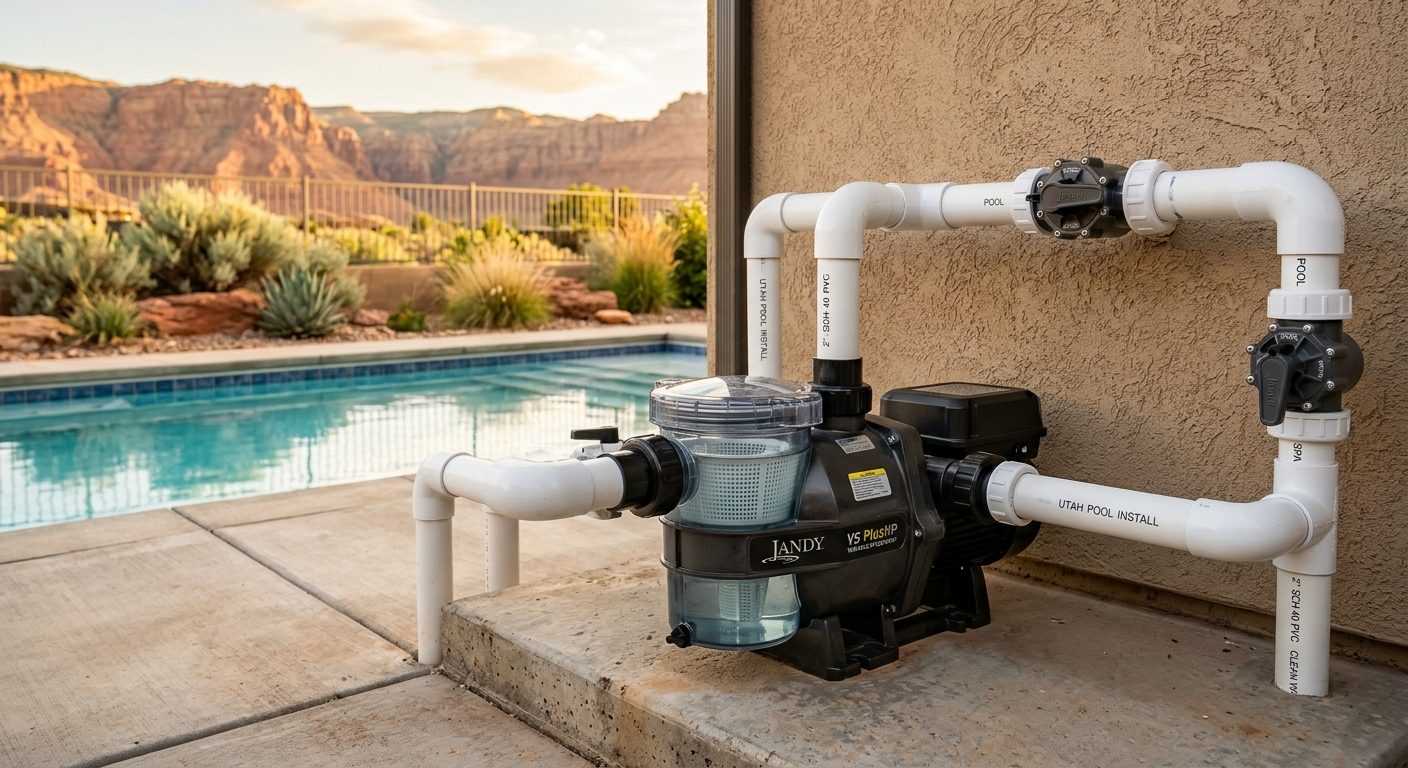
Water can escape through several parts of a swimming pool system. The location and pattern of the water loss provide useful information when deciding what to investigate.
Damage to the pool shell or a compromised fitting can allow water to escape. Any visible cracks, unusual surface changes, or suspected structural damage should be evaluated appropriately.
Underground plumbing connections, suction lines, return lines, and other water-carrying components may develop leaks. Their location can make them difficult to identify through a simple visual inspection.
Connections around skimmers, returns, lights, and other installed fittings can become potential leak locations. Changes in seals or surrounding materials may contribute to water loss.
Water around pumps, filters, valves, and equipment connections may indicate a damaged seal, loose fitting, or component problem. The equipment area should be checked during a leak investigation.
Replacing an unrelated component will not solve the underlying problem. Identifying the likely source is an important first step.
The pool shell, plumbing, equipment, and fittings all contribute to water containment and circulation.
Persistent unexplained water loss deserves attention before it affects surrounding soil, equipment operation, or the pool structure.

Concerned about a leak? Share the symptoms and how long the water loss has been happening.
Free — no obligations
We begin with information about how quickly the water level changes, how often water is added, and whether the loss happens when the system is operating.
Weather, wind, temperature, and pool use can influence normal water loss. These factors should be considered before concluding that a leak exists.
The pool shell, fittings, plumbing arrangements, and equipment connections are considered as possible sources.
Once the suspected location is identified, the appropriate repair method can be discussed in relation to the affected component.
After repair, the affected area and system operation should be reviewed to determine whether further investigation is necessary.
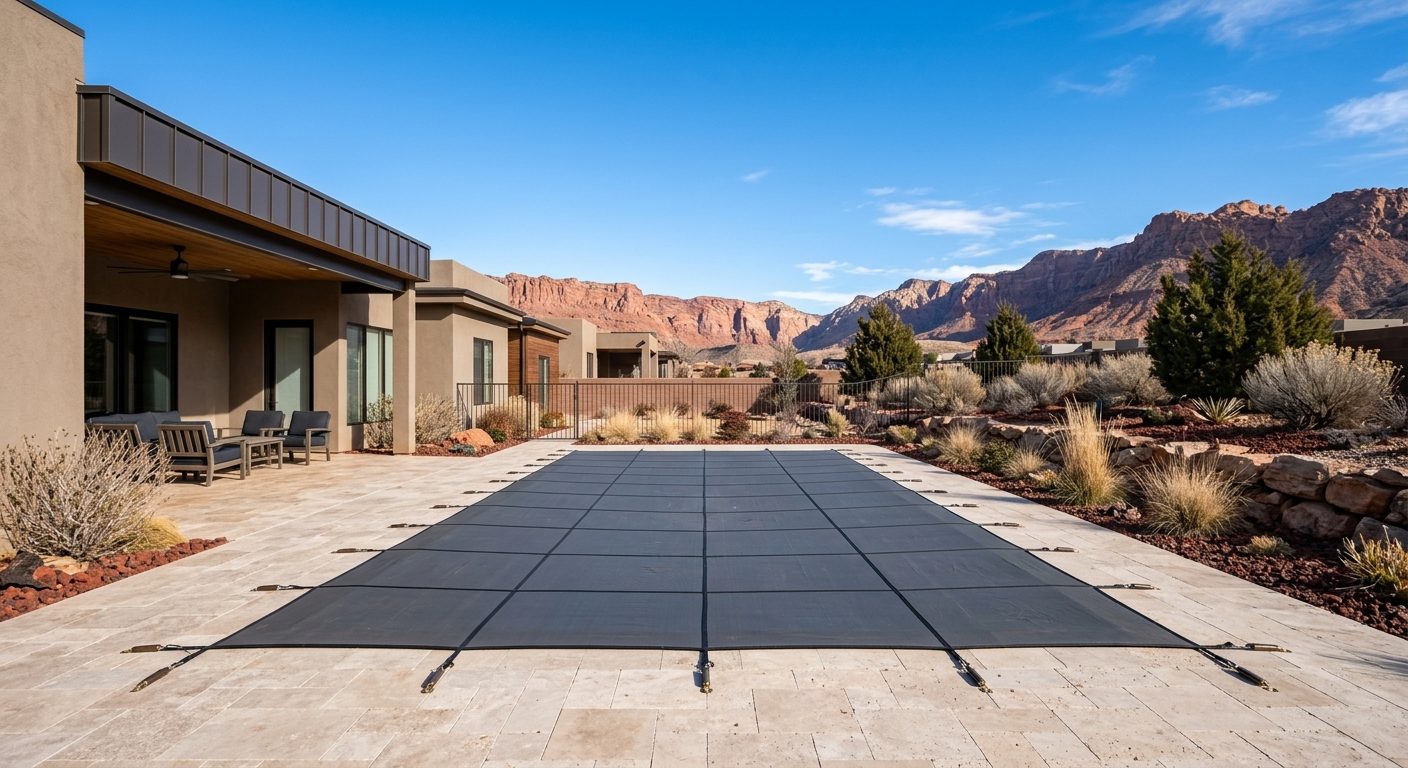
A bucket comparison test can help distinguish normal evaporation from a possible leak. Compare the water level in a bucket placed on a pool step with the pool water level over the same period, accounting for splashing and other water use. A consistently greater loss from the pool suggests further investigation may be necessary.
Although fiberglass shells are designed to provide a durable watertight structure, damage or problems around installed fittings can still occur. The suspected location should be assessed to distinguish shell damage from a plumbing or connection issue.
Water loss that changes with pump operation may indicate a problem in the pressurized return plumbing or an equipment connection. Comparing water loss during different operating conditions can provide useful information for the investigation.
A persistent leak can affect nearby soil and potentially contribute to ground movement, erosion, or water reaching areas where it does not belong. Addressing unexplained water loss early helps limit the possibility of additional property problems.